Enterprise search has long been the backbone of organizational knowledge discovery, enabling employees to sift through vast troves of internal data-emails, documents, reports, and more. Yet, as information volume and complexity have exploded, traditional search systems have struggled to keep pace. Enter Generative AI (GenAI): a transformative technology that promises not just incremental improvements, but a fundamental reimagining of how enterprises access and leverage information.
The Traditional Enterprise Search Challenge
Legacy enterprise search platforms typically rely on keyword-matching and index-based algorithms. While effective for straightforward queries, these systems falter when faced with:
Ambiguous or complex natural language queries
Unstructured or poorly tagged data
Industry-specific jargon and synonyms
The need for contextual, role-based, or personalized results
Multi-language demands and adaptive access controls
The result? Knowledge workers spend an estimated 2.5 to 3.6 hours per day searching for information, leading to frustration and lost productivity.
How GenAI Transforms Enterprise Search
GenAI, powered by large language models (LLMs) and advanced natural language processing (NLP), addresses these pain points in several critical ways:
1. Deep Contextual Understanding and Intent Detection
Unlike traditional search, GenAI interprets the context and underlying intent behind user queries. Whether an employee asks, “How do I reset my password?” or “I forgot my password, can you help?”-GenAI recognizes the shared intent and delivers precise, relevant answers. This semantic understanding extends to complex, multi-step, or follow-up queries, enabling conversational and intuitive information retrieval.
2. Personalization and Adaptive Learning
GenAI-powered search systems learn from user profiles, search histories, and real-time interactions, tailoring results to individual roles and preferences. Over time, this leads to hyper-personalized experiences, with the system anticipating user needs and improving with every interaction.
3. Mastery of Unstructured and Multilingual Data
GenAI excels at parsing unstructured data-emails, PDFs, images-transforming them into structured, searchable formats. It also supports multilingual and cross-domain queries, making it invaluable for global enterprises with diverse data sources.
4. Automation and Decision Support
Beyond search, GenAI can automate clerical tasks-summarizing documents, drafting emails, compiling reports-freeing employees to focus on higher-value work. It can synthesize insights across multiple sources, supporting faster and more informed decision-making.
5. Enhanced Security and Compliance
Modern GenAI enterprise search solutions integrate robust access controls and compliance features, ensuring sensitive information is only accessible to authorized users. AI can also detect anomalies and potential security threats by analyzing usage patterns.
Real-World Impact
Leading organizations are already leveraging GenAI to revolutionize internal knowledge centers, streamline customer service, and optimize business processes. The result is a measurable boost in productivity, faster decision cycles, and significant cost savings.
Challenges and Considerations
Despite its promise, GenAI is not a panacea. Key challenges include:
Data Quality and Integration: Success depends on clean, well-organized data and seamless integration with existing systems.
Hallucination Risk: LLMs may generate plausible but incorrect answers if not properly constrained by retrieval-augmented generation (RAG) or domain-specific fine-tuning.
Security and Governance: Ensuring robust access controls and preventing prompt-based security bypasses remain ongoing concerns.
Infrastructure Readiness: Many enterprises lack the foundational data infrastructure and skilled workforce needed for successful GenAI deployment.
Is GenAI a Replacement or an Evolution?
While GenAI dramatically elevates enterprise search, it is best viewed not as a wholesale replacement, but as an evolutionary leap. GenAI augments and, in many cases, supersedes traditional search by delivering context-aware, conversational, and highly relevant results. However, its success hinges on thoughtful implementation, robust data governance, and continuous improvement.
“GenAI is no magic bullet, but applied in the right places it has potential to improve enterprise search… As the technology evolves, its ability to further enhance search capabilities will grow, offering even more refined solutions to complex search challenges.”
The Future: From Search to Knowledge Discovery
As GenAI matures, the line between search and intelligent knowledge discovery will blur. Enterprises that invest in GenAI-powered search today are not just making information easier to find-they are laying the groundwork for a future where knowledge is proactively surfaced, synthesized, and delivered in context, driving innovation and competitive advantage.
In summary: GenAI is not just a better search engine-it is the catalyst for a new era of enterprise intelligence. For organizations ready to embrace this shift, the rewards are substantial: more empowered employees, faster insights, and a culture of data-driven excellence.
In the ever-evolving landscape of artificial intelligence, the incorporation of domain-specific knowledge into language models (LLMs) is not just a lofty goal—it’s a mission-critical aspect of model performance. This is where fine-tuning and Retriever-Reader (RAG) come into the picture, two powerful approaches with distinct methodologies for imbuing models with domain-specific prowess. As the Director of AI Research at a tech startup, investing in the right approach to empower language models with knowledge is a debate that rages on in our weekly strategy meetings. In this piece, I dissect the benefits and trade-offs of both methods, aiming to help data scientists, AI enthusiasts, and tech professionals make informed decisions regarding the enhancement of LLMs.
Introduction
The modern data scientist wields the power to curate a model’s understanding to an unprecedented degree. Incorporating domain knowledge has become less of an afterthought and more of the central piece to the puzzle of AI applications. As established models like GPT-3 demonstrate extraordinary capabilities, the question of specialized knowledge arises. Both fine-tuning and RAG have stepped forward as capable candidates for augmenting language models, offering different paths to the same destination.
Fine-tuning: Leveraging Existing Models
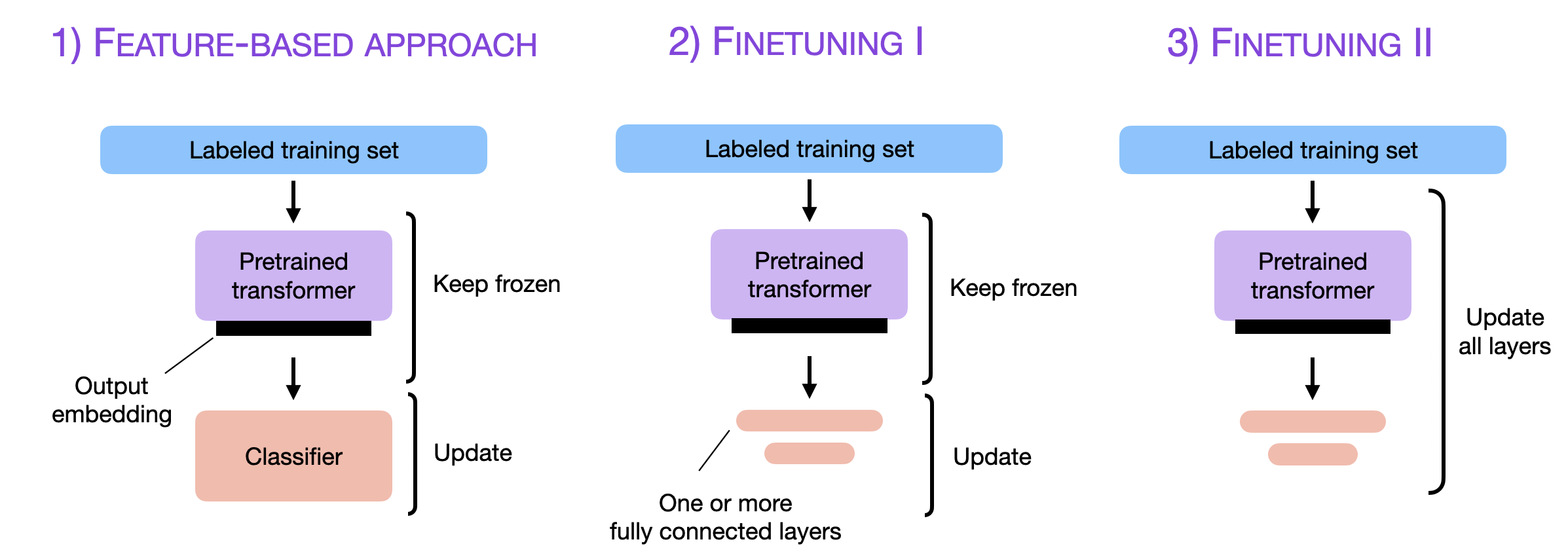
Fine-tuning involves starting with a pre-trained model and updating its weights using labeled examples from within the target domain. The rationale is simple: rather than reinventing the wheel, one can build upon the wealth of knowledge already stored within established models.
Fine-tuning has gained popularity due to its relatively lower resource consumption compared to training from scratch. Pre-trained models come with an inherent understanding of language and are adept at various natural language processing (NLP) tasks. By fine-tuning these models, often with a smaller, domain-specific dataset, we can specialize the general model to fit particular needs.
Benefits of Fine-tuning
Faster Deployment: Leveraging an existing model allows for a quicker setup, reducing the time from development to deployment significantly.
Capitalizing on Pre-trained Weights: The pre-training phase is costly in terms of computation and time. Fine-tuning capitalizes on this investment, using pre-trained weights as a head start for domain tasks.
Leveraging Pre-Trained Models: Pre-trained models are increasingly sophisticated and capture various nuances of human language.
Examples of Successful Applications
The medical field, for instance, has seen strides with fine-tuned models specializing in entity recognition, question answering, and summarization tasks. In patient data analysis, these models can parse through vast amounts of unstructured text, extracting relevant information with precision.
RAG: Incorporating Explicit Knowledge
RAG, on the other hand, is a more recently introduced framework designed to incorporate external knowledge sources into the inference process. It aims to enhance the rationality and awareness of AI systems by allowing them to query reference materials as part of their preliminary thinking.
The RAG Framework in Depth
The RAG framework consists of two components: a retriever and a reader. The retriever uses a query to extract relevant passages from a knowledge source, and the reader processes these passages to find an answer or provide context.
Handling Out-of-Domain Queries: RAG is capable of tackling a broader set of tasks, not just those within the dataset scope, by referring to the internet or other massive knowledge bases.
Interpretability: The retriever component offers insights into the knowledge basis of the model’s decisions, essential for accountability and trust in AI systems.
Real-World Use Cases
In legal research, for example, RAG models can sift through laws, cases, and precedents to provide up-to-date advice, cross-referencing information as legal landscapes shift. As such, the legal domain provides a fertile ground for RAG models to shine, reshaping how we approach legal queries and research.
Strengths and Weaknesses of Fine-tuning
Fine-tuning isn’t without its downsides. While it excels in many facets, particularly speed and leveraging existing models, it does come with concerns over model performance in unique domains.
Discussion of the Strengths
Fine-tuned models often achieve better performance on in-domain tasks, as they’ve been trained to recognize and respond to specific patterns and language nuances within the domain.
Analysis of the Weaknesses
Fine-tuned models can be sensitive to the distribution and quality of the training data. Overfitting, a common problem, may occur, leading to less generalizable models. Moreover, fine-tuning can inadvertently strip away some of the broader knowledge captured in the pre-training phase.
Strengths and Weaknesses of RAG
RAG’s ability to query large knowledge bases is a distinct advantage but not without its own set of challenges.
Examination of the Strengths
RAG models offer improved interpretability, particularly through the retriever’s explicit referencing of the source of its decisions. They also enjoy the benefit of not being overly specialized to a specific domain, serving as a more flexible solution.
Analysis of the Weaknesses
However, RAG’s computational requirements are significant. Each query necessitates running through a retrieval system, which can be a bottleneck in terms of the model’s scalability. There’s also the potential for errors in retrieving and parsing large external datasets.
Trade-offs and Considerations
When facing a decision between fine-tuning and RAG, it’s critical to assess the nuances of each approach and how they align with the project’s objectives and constraints.
Comparison of the Two Approaches
Performance: Fine-tuned models often outperform RAG models on in-domain tasks. However, RAG’s ability to call upon external knowledge can provide a richer context and improve overall understanding.
Flexibility: RAG models are inherently more flexible, handling out-of-domain queries with ease. Fine-tuned models may struggle with tasks beyond their initial scope.
Resource Requirements: Fine-tuning generally requires fewer resources, both in terms of infrastructure and data. RAG, with its need for knowledge bases and retrieval systems, tends to be more resource-intensive.
Factors to Consider
Certain factors, such as the availability of domain-specific data, the tolerance for uncertainty in results, and the willingness to invest in computational power, should heavily influence the choice between these two approaches.
Conclusion
In navigating the complex terrain of domain knowledge incorporation in language models, our journey is one of constant assessment and adaptation. Both fine-tuning and RAG represent leading strategies, each replete with strengths and trade-offs. While there may be no one-size-fits-all answer, the key to unlocking the potential of AI systems lies in understanding and consciously selecting the tool that best suits the task at hand.
As we stride forward, it’s clear that a balanced approach, perhaps even a hybrid of fine-tuning and RAG, could be the most promising direction. It’s incumbent upon us as practitioners to continue probing, experimenting, and pushing the boundaries of what is possible with language models. By doing so, we will not only elevate the efficiency of our AI systems but also deepen our understanding of what it truly means to teach machines with human wisdom.
Investing in the right approach isn’t just about model performance; it’s about the ethical and practical implications of the choices we make in the burgeoning field of AI. The confluence of domain knowledge and language models is a domain ripe with potential, and as we integrate these methods into our systems, it will be exciting to see how they unfold, bringing us discoveries, better performance, and perhaps most importantly, a greater appreciation for the delicate art of AI model construction.
The European Union has introduced a new framework for the development and use of Artificial Intelligence (AI). The AI Act –which The European Parliament passed the AI Act on June 14, 2023., aims to ensure that AI is developed and used in a way that respects fundamental rights and freedoms, such as the right to privacy, the right to non-discrimination, and the right to safety.
The AI Act identifies three categories of AI systems:
High-risk AI systems: These systems are considered to pose a high risk to fundamental rights and freedoms. High-risk AI systems will be subject to strict requirements, such as mandatory ex-ante conformity assessments, transparency obligations, and user control mechanisms.
Moderate-risk AI systems: These systems are considered to pose a moderate risk to fundamental rights and freedoms. Moderate-risk AI systems will be subject to a lighter set of requirements than high-risk AI systems, such as risk management measures and transparency obligations.
Low-risk AI systems: These systems are considered to pose a low risk to fundamental rights and freedoms. Low-risk AI systems will not be subject to any specific requirements under the Act.
The AI Act also establishes a new European Artificial Intelligence Board (EAAB) to oversee the implementation of the Act. The EAAB will be composed of representatives from the European Commission, national authorities, and stakeholders.
The AI Act is a significant piece of legislation that will have a major impact on the development and use of AI in the European Union. The Act is still under negotiation, but it is expected to be finalized in 2023.
Here are some of the key benefits of the EU AI Act:
Ensure that AI is developed and used in a way that respects fundamental rights and freedoms. The EU high-risk AI regulation will ban AI systems that are considered to pose an unacceptable risk to fundamental rights and freedoms. This includes AI systems that are used for social scoring, mass surveillance, or biometric identification without consent. The regulation will also require AI systems that are considered to pose a high risk to fundamental rights and freedoms to comply with a number of safeguards. These safeguards will help to ensure that AI systems are developed and used in a way that respects the fundamental rights and freedoms of individuals.
Create a level playing field for businesses that develop and use AI in the European Union. This is because the regulation will apply to all AI systems that are considered to pose a high risk, regardless of where the developer or user is located. This will help to prevent businesses from moving their operations to countries with less stringent AI regulations in order to avoid compliance costs. The regulation will also require businesses to comply with a number of technical standards, which will help to ensure that AI systems are interoperable and that data can be shared more easily between different systems. This will make it easier for businesses to develop and use AI solutions, and it will also help to boost innovation in the field of AI.
Help to boost innovation in the field of AI. The AI Act regulations are designed to boost innovation in the field of AI by providing a clear framework for the development and use of AI systems. The regulation will also create a level playing field for businesses, which will make it easier for them to invest in AI research and development.
Here are some of the potential challenges of the EU AI Act:
It could be difficult to implement and enforce.
It could stifle innovation in the field of AI.
It could lead to the fragmentation of the AI market in the European Union.
Overall, the EU AI Act is a positive step towards ensuring that AI is developed and used in a responsible and ethical way. However, it is important to be aware of the potential challenges of the Act and to work to mitigate them.
Artificial Intelligence (AI) has revolutionized businesses, streamlining and optimizing operations while increasing efficiency and productivity. However, companies often face challenges in the implementation and management of AI; this could either be a failure to identify the appropriate use cases for AI or guaranteed functionality and efficiency.
AI adoption calls for a comprehensive understanding of its lifecycle, and companies need to make sure they focus on three critical areas – Silicon, Software, and Services.
In this blog post, we’ll delve into these areas, their importance, and their relevance in the AI Lifecycle.
Silicon: Silicon-based chips, are a foundational material in modern AI infrastructure. It comprises traditional components such as the central processing unit (CPU), the graphics processing unit (GPU), memory, network, and data storage. A scalable and resilient AI infrastructure creates a solid foundation for enterprise deployment, capable of supporting complex algorithms, data storage, and analysis. A robust infrastructure facilitates the acceleration of the AI process, enabling businesses to handle large amounts of data and process information in real-time. Therefore, reliable modern infrastructure components are essential for AI success.
The use of modern AI infrastructure also allows for optimal performance. Modern silicon-based processors are specifically designed for tasks such as machine learning and intensive data processing. They offer high computational power, increased energy efficiency, and real-time parallelism capabilities. This combination of performance and efficiency ensures the smooth operation of AI applications, providing users with fast and accurate results.
Furthermore, it plays a crucial role in the data storage and transmission of data required for AI. Modern data infrastructure enables quick access to large data sets making sure processing cycles are not wasted. Additionally, modern networking facilitates fast and reliable data transfer between different components of the AI infrastructure.
Silicon is the essential element of modern AI infrastructure. With its high performance, energy efficiency, and data storage and transmission capabilities, silicon enables businesses to successfully deploy advanced AI solutions.
Software: The software layer is equally as important as the hardware layer and is a critical component of the overall AI ecosystem. The software layer encompasses a wide range of AI algorithms that support the general AI infrastructure to achieve business outcomes.
These AI ecosystem can vary from simple “no-code” tools that allow users to manage AI operations and pipelines, to “Super User” tools that assist users in building and operating flexible and precise AI models. These tools are vital in identifying the necessary AI use cases and implementing optimal solutions. In your AI journey, there must be a recognition of different types of software to streamline AI operations, manage costs, and ensure maximum efficiency. By understanding the software layer of AI, businesses can establish a solid foundation to harness the full potential of this groundbreaking technology.
AI software ecosystem is dynamic and evolving rapidly. Below is the AI software market glance from IDC’s point of view.
Services: Services play a critical role in the AI ecosystem. The tools and software utilized in the AI lifecycle are still new and evolving, which is why services are crucial to ensuring smooth integration and efficient operation. Services have so far been ignored by most businesses, but as AI operations become more complex, businesses need to incorporate them into their operations to avoid operational challenges. The services layer includes workforce preparedness to scale and support AI operations, operationalizing data management and analytics workloads, and delivering workload automation.
Understanding the AI lifecycle is critical for implementing and maintaining AI solutions successfully; companies should prioritize and focus on the Silicon, Software, and Services layers. It is crucial to have a reliable infrastructure regardless of the hardware used and to implement software tools that correlate with the AI problems faced to ensure smooth operations. Finally, businesses must recognize the pivotal role played by the services layer and adequately plan for its integration into their AI ecosystem.
In summary, businesses that identify the appropriate use cases for AI and implement optimal solutions will reap numerous benefits and gain a competitive edge in today’s fast-paced technological environment. Here are my 3 suggestions to increase changes in your AI pilot
Incorporate Real-World Business Use Case
Develop a Technology Infrastructure and Integrate AI as a tenant
In the world of software development, Murphy’s law holds an unassailable truth: Anything that can go wrong, will go wrong. As a proud member of this masochistic club, you might be looking for innovative ways to stall your Kubernetes enterprise rollout. Maybe you want to add a little chaos to your routine CI/CD workflow, or perhaps you’re just a thrill-seeker who loves the high stakes game of orchestration roulette. Either way, you’ve come to the right place. Sit back, relax, and let us guide you through the delightful maze of missteps and detours that will ensure your Kubernetes enterprise rollout is anything but a walk in the park.
Ah, Kubernetes! The open-source platform that’s become the equivalent of a Hollywood blockbuster in the tech world. It’s like the Iron Man of container orchestration, bringing together an array of superpowers including automation, scaling, and management of container deployment. Enterprises are lining up to get their tickets, excited by the promises of streamlined application deployment. But before you go head over heels for Kubernetes, remember, even Iron Man had his quirks. Navigating the CI/CD waterfall can sometimes feel more like a rollercoaster ride without a seatbelt. So before you charge headfirst into your enterprise rollout, take a moment to consider Murphy’s Law – anything that can go wrong, will go wrong. So buckle up, my friends, it’s going to be a wild ride.
Indeed, Kubernetes is a boon for developers, cloud-native architects, and business owners alike. Its versatility and flexibility can make you feel like a superhero orchestrating seamless deployments. But when it comes to deploying and scaling in Enterprise data centers, Kubernetes might just swap its Iron Man suit for a Godzilla costume, spawning fresh challenges born out of its cloud-native architecture. This transition can lead to excessive mental gymnastics as you grapple with these new beasts of burden. So, if you’re feeling like a deer caught in the headlights, staring down the Kubernetes-python poised to gobble up your Enterprise applications, fear not! This blog is your sanctuary, your guide, your ‘how-to-tame-your-dragon’ manual. Stay with us, as we venture into the labyrinth of Kubernetes deployment and come out the other side grinning. 🙂
Let’s dive into the 10 ways you might unintentionally stall your enterprise Kubernetes rollout, and inadvertently send your organization spiraling back to the ‘golden age’ of monolithic architecture:
1.Do Not Plan Your Deployment: Some may argue that the beauty of Kubernetes lies in its simplicity, and indeed, the internet is abundant with blogs and videos promoting the notion that the deployment process is a walk in the park. Following such advice without investing time in understanding your unique use case could be a significant pitfall. Kubernetes deployments require thoughtful planning, taking into account the intricacies of workload requirements, resource allocation, and network architecture. The idea of “Kubernetes is the easy button for everything” is a perilous assumption that can easily derail your enterprise rollout. Always remember, while Kubernetes does a spectacular job in many aspects, it’s not a one-size-fits-all solution for every enterprise problem.
2. Avoid Using Certified Kubernetes Distributions: Now this one’s a head-scratcher, isn’t it? Here’s the thing, though: Kubernetes is powerful, flexible, and can be customized to a dizzying degree. However, this does not mean you should do everything from scratch. Consider this – why would you build your car when you can buy a perfectly good one off the lot? Certified Kubernetes distributions, like Red Hat OpenShift or VMware Tanzu, come with the assurance of being properly configured, tested, and meeting industry standards. They’re like your ready-to-drive cars, offering robust features and world-class support. By choosing to bypass these options, you’re essentially signing up for unnecessary headaches that could easily stall your enterprise rollout. Remember, Kubernetes is a tool, not an ideology. There’s no virtue in unnecessary complexities.
3. Do NOT Implement Security Best Practices: This one’s a classic misstep in the tech world. Yes, Kubernetes is inherently secure, but that doesn’t mean it’s invincible. If you’re looking to stall your enterprise rollout, then by all means, ignore security best practices. However, if you’re keen on a smoothly functioning system, pay close attention to security measures like access control, network segmentation, and encryption. It’s akin to leaving your car unlocked in a crowded parking lot — sure, it might have an immobilizer and alarm system, but why invite trouble? Access control ensures only authorized personnel can interact with your Kubernetes clusters, network segmentation limits the blast radius of potential breaches, and encryption keeps your sensitive data safe in transit and at rest. Failing to implement these measures is like leaving the keys in your car with the engine running – a surefire way to invite mischief. Remember, in the world of Kubernetes deployments, security is not an afterthought, it’s a primary driver of successful CI/CD pipelines and enterprise rollouts.
4. Forget about Using CI/CD Pipelines: There’s a certain masochistic charm in choosing not to use CI/CD pipelines in your enterprise rollout. After all, who needs automation when you can manually deploy your applications, right? CI/CD pipelines, or Continuous Integration/Continuous Deployment pipelines, are like that studious classmate who always double-checks their work before submitting it – they automate the deployment process and ensure that all changes are thoroughly examined and validated before entering the production environment. If you’re a fan of chaos and unpredictability (and potentially stalling your Kubernetes enterprise rollout), then by all means, go ahead and give CI/CD pipelines a pass. However, if you value efficiency, reliability, and sanity, incorporating CI/CD pipelines into your operations could be a game-changer. They ensure a streamlined, error-free process that keeps your applications updated and secure, allowing your team to focus on what truly matters – building and improving your products. But hey, if you’re in the market for a bit of pandemonium, feel free to ignore this advice!
5.Visibility/Observability, what’s that?: There’s something rather intriguing about stumbling in the dark, isn’t there? For those of you who enjoy a good surprise, why not apply this approach to your Kubernetes deployment? Think about it, with no comprehensive monitoring solution in place, every day is like a thrilling game of hide-and-seek with your application’s performance, capacity, and availability. However, if you (like most sane people) prefer to know what’s happening under the hood, it’s time to incorporate a robust monitoring solution into your Kubernetes enterprise rollout. Think of it as a reliable co-pilot that keeps an eye on the road while you’re busy steering the ship. It helps you identify potential roadblocks or speed bumps, ensuring your journey toward a successful enterprise rollout is as smooth as possible. So go ahead, embrace the unknown, or better yet, ensure your unknowns are known with a comprehensive monitoring solution. But remember, no pressure; after all, it’s only your Kubernetes deployment we’re talking about here!
6.Don’t care about Config Management Tools: If you’re fond of unpredictability and enjoy the thrill of variance, throwing caution to the wind when it comes to config management could be your next adrenaline spike! Who needs tools like Ansible or Puppet that automate the configuration of your Kubernetes deployment and ensure consistent settings across your environment? Why make life easier and your enterprise rollout smoother when you can indulge in the chaotic symphony of inconsistency? Sure, these tools can simplify the management of your Kubernetes configuration, reduce errors, and ensure uniformity across your deployment, but where’s the fun in that? So sit back, relax, and let the inconsistencies rollick through your deployment, because who wouldn’t love a good configuration surprise?
7.Forget about Disaster Recovery: If you’re the type who loves to live on the edge, why not take a leap of faith with your Kubernetes rollout too? After all, implementing disaster recovery measures like backup and recovery procedures is like carrying an umbrella all the time just because it might rain. Sure, these measures could prevent your enterprise from figuratively getting drenched in the event of an unexpected outage or data loss, but what’s a little water, right? Having a disaster recovery plan could mean the difference between a minor hiccup and a full-fledged organizational crisis during a catastrophe, but let’s face it, who doesn’t love a little game of Russian Roulette with their Kubernetes deployment? So, go ahead and roll the dice. After all, disaster recovery is just for those who aren’t fans of suspense, right?
8.Train Your Staff (or Don’t): Now, here’s a real knee-slapper: education. Nothing quite like seeing your team scramble around like a bunch of cats on a hot tin roof because they don’t know their Pods from their Nodes. Who needs well-trained staff, conversant with Kubernetes best practices, when you can bask in the glorious pandemonium of mismanaged deployments instead? Sure, giving your employees the necessary skills to effectively manage and operate your Kubernetes deployment might lead to fewer issues, greater efficiency, and a more successful enterprise rollout. But let’s be real, why stifle the potential theatre of the absurd that could result from untrained staff wrestling a mammoth like Kubernetes? Life is a stage, after all, and in your Kubernetes drama, training is just too mainstream a script. So, sit back, grab some popcorn, and enjoy the show!
9.Live in the Past: Here’s a revolutionary idea – rolling with the times. You could, if you’re feeling particularly adventurous, actually stay up-to-date with the latest Kubernetes releases and security patches. That, of course, would imply that you’re interested in ensuring your deployment operates with the latest features and security updates. But hey, who doesn’t love a little nostalgia? Sure, you could prioritize keeping your enterprise rollout in line with the newest, slickest versions of Kubernetes, ensuring that your CI/CD pipelines are as cutting-edge as they come, but isn’t there a certain charm in running your enterprise on an antiquated version that’s as outdated as a floppy disk in an AI lab? After all, cybersecurity threats, outdated functionalities, and inefficiencies are just minor speed bumps on the road of enterprise rollouts. So, why not kick back, ignore those pesky update notifications, and let your Kubernetes deployment bask in the warm glow of obsolescence? Just remember – living in the past is only fun until the ghosts of security vulnerabilities and outdated features come knocking on your door.
10.Embrace Impermanence (non-persistence): In the grand scheme of things, isn’t Kubernetes is supposed to be ephemeral? Why should your data be any different? Go ahead, live dangerously. Don’t bother with planning for data persistence in your Kubernetes rollout. Imagine the thrill of living on the edge, knowing that you could lose all your data the moment a pod goes down or the system crashes. Sure, you could use the Kubernetes Persistent Volume (PV) and Persistent Volume Claim (PVC) architecture to ensure your data survives even when your pods don’t, but where’s the fun in that? Data persistence is so pedestrian. Remember, the goal here is to stall your Kubernetes enterprise rollout, not to make it robust, resilient, and reliable. So, go ahead, and throw caution (and your data) to the wind. It’s only important business information after all, right?
But hey, here’s a novel idea – what if you actually wanted to succeed in your cloud-native strategy? I know, I know, it sounds a bit radical given our prior conversation. But bear with me. For those of you who enjoy sailing smoothly on the seas of enterprise IT, without the thrill of hitting every possible iceberg, Dell has created a glorious solution. A tool, that’s as much a life preserver as it is a nautical chart, guiding you safely through the treacherous waters of Kubernetes enterprise rollouts. This magic wand is called the Container Storage Modules (CSM).
This isn’t just any tool – it’s your co-pilot on the journey to a seamless Kubernetes implementation. It’s like having a Swiss army knife for enterprise data management. The CSM ensures that your data persistence strategies are as solid as a rock, ensuring that no pod crash or system failure can sweep your data into the abyss. With CSM, you can laugh in the face of data loss, secure in the knowledge that your enterprise information is safe and sound. So, for the daredevils who actually like to succeed in their endeavors, the Dell Technologies CSM is the perfect tool to ensure your Kubernetes enterprise rollout is as smooth and trouble-free as a hot knife through butter.
I hope this post proves helpful, regardless of which direction you choose for your enterprise cloud journey. If you’re inclined to thrill and enjoy the odd game of Russian roulette with your data, you now have some innovative strategies to stall your Kubernetes rollout. However, if your preference is smooth as a jazz tune and your data as secure as Dell’s Project Fort Zero, then Dell’s Container Storage Modules (CSM) is the tool you need. The CSM is your beacon in the foggy world of Kubernetes enterprise rollout, ensuring that no data loss or system failure can derail your cloud-native strategy. It’s your data’s best friend, your enterprise’s lifeline, and your ticket to a successful Kubernetes implementation.
Enjoy the journey, and remember – with the right tools and strategies, Murphy’s Law doesn’t stand a chance!